
In recent years, the conversation surrounding erectile dysfunction treatment dysfunction (ED) has shifted significantly, moving from a taboo subject to a central topic in men's health discussions. As awareness increases, so does the demand for effective treatments that can help men regain their confidence and improve their quality of life. This article explores the various treatment options available today, their effectiveness, and how they are reshaping the landscape of men's health.
erectile dysfunction treatment dysfunction, defined as the inability to achieve or maintain an erection sufficient for satisfactory sexual performance, affects millions of men worldwide. According to the Massachusetts Male Aging Study, nearly 52% of men aged 40 to 70 experience some degree of ED. The causes of this condition can be multifactorial, including psychological issues, medical conditions, and lifestyle factors. As such, effective treatment requires a comprehensive approach tailored to the individual.
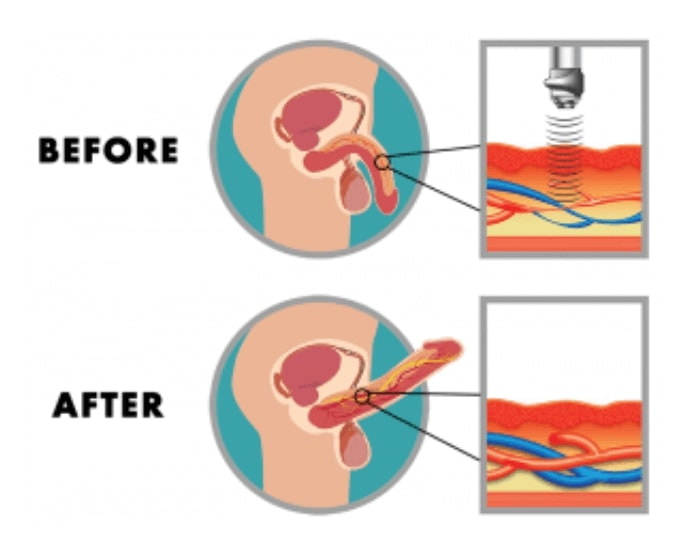
Historically, the treatment of ED was limited, often relying on invasive procedures or medications with significant side effects. However, advancements in medical science have led to the development of a range of more effective and less invasive options. The most well-known treatment is the class of medications known as phosphodiesterase type 5 (PDE5) inhibitors, which includes Viagra (sildenafil), Cialis (tadalafil), and Levitra (vardenafil). These medications work by increasing blood flow to the penis, facilitating an erection in response to sexual stimulation.
Viagra was the first PDE5 inhibitor to be approved by the FDA in 1998 and has since become synonymous with ED treatment. Its effectiveness is well-documented, with studies showing that it works for approximately 70-80% of men who use it. Cialis and Levitra have also proven effective, with Cialis offering the added benefit of a longer duration of action, allowing for more spontaneity in sexual activity.
While PDE5 inhibitors have transformed the treatment landscape, they are not suitable for everyone. Men with certain medical conditions, such as severe heart disease or those taking nitrates, may face serious health risks when using these medications. As a result, healthcare providers are now exploring alternative treatments that can provide similar benefits without the associated risks.
One promising alternative is the use of vacuum erection devices (VEDs). These devices create a vacuum around the penis, drawing blood into the erectile dysfunction treatment tissue and producing an erection. VEDs are non-invasive and can be a suitable option for men who cannot take oral medications. Additionally, they can be used in conjunction with medications for enhanced effectiveness.
Another innovative treatment gaining traction is the use of penile injections. Medications such as alprostadil can be injected directly into the penis, resulting in an erection within minutes. This method is particularly effective for men who do not respond to oral medications. While the idea of injections may seem daunting, many men find this method to be a reliable solution for their ED.
For those seeking a more permanent solution, penile implants are a surgical option that has shown high satisfaction rates among patients. This procedure involves the insertion of devices into the penis that can be inflated to create an erection. While it requires a surgical procedure and carries inherent risks, many men view this as a last resort when other treatments have failed.
In recent years, the field of regenerative medicine has introduced new possibilities for ED treatment. One such approach is the use of platelet-rich plasma (PRP) therapy, which involves injecting a concentration of platelets derived from the patient's own blood into the penis. This method aims to promote tissue regeneration and improve blood flow, potentially restoring erectile dysfunction treatment function. Early studies have shown promising results, but more extensive research is needed to fully understand its efficacy and long-term effects.
Lifestyle modifications play a crucial role in the management of ED as well. Factors such as obesity, smoking, excessive alcohol consumption, and lack of physical activity can contribute to the development of erectile dysfunction. Encouraging men to adopt healthier lifestyles can significantly improve their sexual health. Regular exercise, a balanced diet, and stress management techniques can enhance overall well-being and, in many cases, alleviate symptoms of ED.

Psychological factors, including anxiety, depression, and relationship issues, can also contribute to ED. In such cases, therapy or counseling may be beneficial. Cognitive-behavioral therapy (CBT) has been shown to be effective in addressing the psychological aspects of ED. By working with a mental health professional, men can develop coping strategies and improve their sexual relationships.
As the stigma surrounding ED continues to diminish, more men are seeking help and exploring treatment options. Healthcare providers play a critical role in this process, as they must create a safe and open environment for patients to discuss their concerns. Routine screening for ED during medical check-ups can help identify the condition early and facilitate timely intervention.
In conclusion, the landscape of erectile dysfunction treatment has evolved dramatically over the past few decades. With a variety of effective options available, men can find solutions that suit their individual needs. Whether through oral medications, vacuum devices, injections, surgical options, or lifestyle changes, the key to overcoming ED lies in understanding the condition and seeking appropriate help. As awareness grows, men can take charge of their sexual health, leading to improved overall quality of life and stronger relationships. The future of ED treatment is bright, and with continued research and innovation, even more effective solutions are on the horizon.