
For two decades, Call of Duty has stood at the top of the gaming world, delivering blockbuster experiences year after year. But the landscape in 2025 is very different. Players experimenting with multiplayer, Zombies, or bo7 bot lobbies may still enjoy pockets of action, but the broader reaction to Black Ops 7 reveals a deeper dissatisfaction brewing within the fan base.
From the moment Black Ops 7 launched, it became clear that something was off. Critics gave the game respectable scores, but long-time players quickly voiced their frustration. User ratings plunged, social media exploded with criticism, and early sales indicators suggested lower engagement than expected. For a franchise built on consistency, this fragmented reception raises serious concerns.
The campaign is at the heart of the backlash. Instead of a polished experience with cinematic storytelling, players encountered a campaign built largely from slightly modified multiplayer maps and minimal narrative progression. Missions often feel empty, repetitive, and lacking the memorable moments that once defined Black Ops campaigns. Even the more ambitious sequences show clear signs of rushed development.
Adding to the frustration is the game’s story. Rather than building on established lore in compelling ways, the narrative uses nostalgia-driven callbacks and nonsensical plot twists that undermine emotional impact. Encounters with deepfake antagonists and giant boss fights feel disconnected from the grounded intensity of earlier entries.
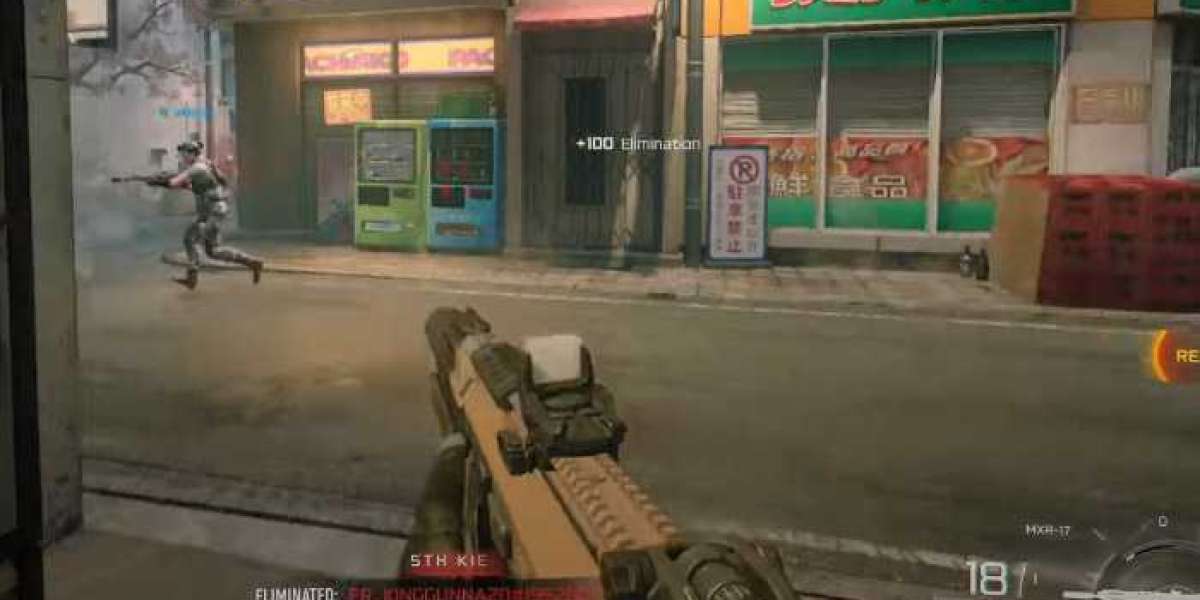
Multiplayer, traditionally the franchise’s backbone, offers strong gameplay but limited innovation. The improvements largely stem from reverting to older design philosophies rather than evolving the formula. Many longtime players appreciate the smoother pacing and classic structure, yet the absence of fresh ideas leaves the experience feeling familiar rather than exciting.
Zombies mode finds itself in a similar situation. While some mechanical refinements improve playability, the increasing Warzone-like homogenization across game modes blurs their identities. What was once a unique co-op experience now feels more like an extension of the broader Call of Duty template.
Beyond gameplay, the broader context matters. Black Ops 7 launched into an environment with more competition than Call of Duty has seen in years. Battlefield 6 and Arc Raiders both offered compelling alternatives—an unfamiliar position for a franchise accustomed to dominating the market. Even more telling is the drop in Steam player counts compared to Black Ops 6, signaling weakened interest among PC players.
The biggest issue, however, is the yearly release cycle. Producing a major AAA shooter every 12 months is unsustainable, especially with the rising expectations and complexity of modern games. Black Ops 7 feels like the culmination of years of rushing, studio coordination challenges, and pressure to meet quotas rather than quality standards.
Yet amid the criticism, the franchise still shows resilience. Multiplayer gunplay remains smooth and satisfying. Zombies mode, while inconsistent, continues to attract dedicated fans. And the core experience retains the production polish expected of a blockbuster release.
Black Ops 7 isn’t a disaster—but it is a warning. The Call of Duty formula needs breathing room, creativity, and a refreshed vision. If Activision and Microsoft don’t reevaluate their approach, the franchise risks losing the loyalty that has sustained it for decades.
Read more: BO7 Meta Mayhem: Top 5 Loadouts Shredding Multiplayer Right Now