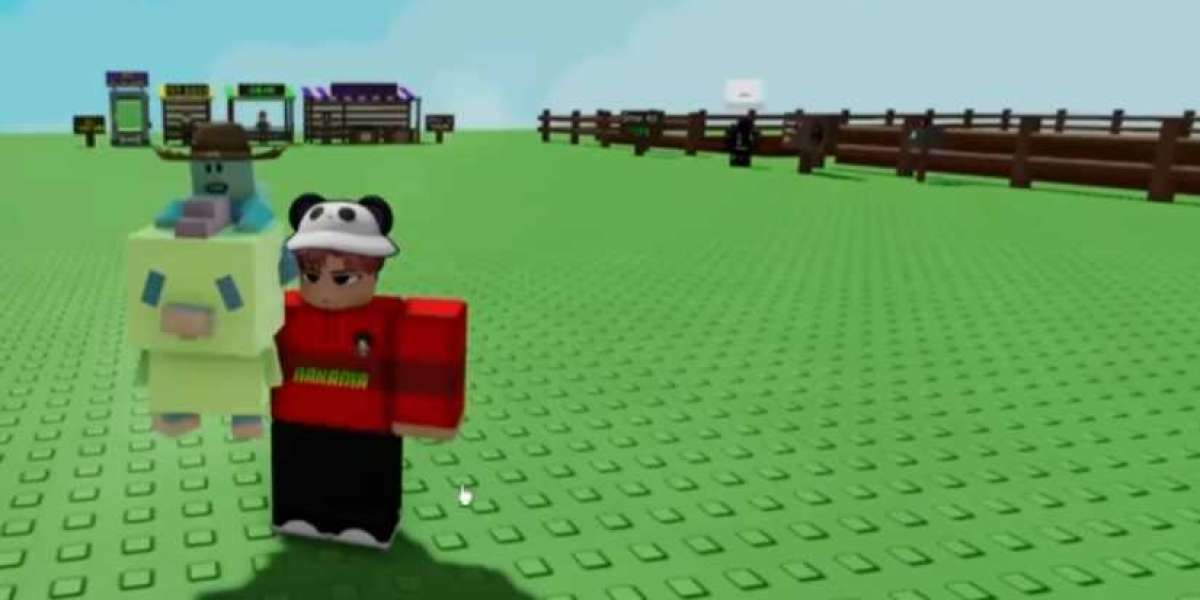

When you first dive into a game like Grow a Garden, the early choices you make can really set the tone for your progress. One thing that often gets overlooked by new players is the role of pets. Yes, those cute little companions can have a surprisingly big impact on your early game efficiency and decision-making. I’ve spent quite a bit of time experimenting with different setups, and I wanted to share some tips on how pets can help you get ahead without spending hours grinding.
Why Pets Matter Early On
In Grow a Garden, pets aren’t just for show. They actually provide useful bonuses that can make planting, harvesting, and managing your garden much smoother. For beginners, having the right pet can mean faster growth cycles, extra resources, or even helping you avoid mistakes when deciding which crops to prioritize. I’ve noticed that players who skip pets in the first week often struggle a bit with resource management, whereas those who integrate pets early have a much easier time scaling up their gardens.
If you’re just getting started and wondering where to begin, one tip I can offer is to buy grow a garden pets that complement your playstyle. Some pets give passive bonuses like increased growth speed, while others can actively boost your income from crops. The key is to pick pets that make sense for your current level and long-term goals rather than going for the flashiest ones. I personally recommend starting with pets that support core growth mechanics—it makes the early grind far less frustrating.
Understanding Pet Types
Not all pets are created equal. In Grow a Garden, you’ll notice pets fall into different categories: some are growth-oriented, others boost earnings, and a few provide unique utility bonuses. Figuring out which type aligns with your strategy can save you time and resources. For example, a growth-focused pet is fantastic if you want to cycle through crops quickly, while a pet that boosts coins or gems is better if you’re aiming to expand your garden faster.
Something I learned the hard way is that new players sometimes try to get a bit of everything at once, which spreads their bonuses too thin. A more effective approach is to focus on one or two pets that directly help your immediate goals. This strategy is especially useful when playing with friends or participating in limited-time events, which are common in platforms like Roblox. Coordinating pets with the event mechanics can give you a surprising edge.
How to Make Smart Early Decisions
When you’re setting up your garden, consider what you need most: speed, income, or flexibility. Pets can enhance any of these, but pairing the right pet with your planting strategy is crucial. Personally, I like to prioritize pets that speed up growth in the first few levels, then gradually add utility-focused companions as my garden matures. This layered approach lets you maximize efficiency without overcomplicating your setup.
Another useful tip is to check out platforms like U4GM for insights or in-game resources. While I don’t rely on them exclusively, browsing guides and tips from experienced players can highlight pets that are worth investing in, saving you from wasting in-game currency on suboptimal choices.
Timing Your Pet Upgrades
Upgrading pets at the right time can be just as important as picking the right ones. Early upgrades can dramatically boost growth rates or income, making it easier to unlock new crops and garden areas. I usually recommend focusing on one key pet at a time, especially in the first two weeks of gameplay. Trying to level up multiple pets simultaneously can dilute the benefits and slow your overall progress.
For those wondering about efficiency, it’s often smarter to invest in pets that provide passive boosts rather than active skills you rarely use. A passive growth boost, for instance, quietly compounds over time and ends up being far more valuable than a flashy ability that only triggers occasionally.
Common Mistakes to Avoid
Even experienced players slip up sometimes, so here are a few common pitfalls to watch out for:
Buying every new pet that appears without considering synergy with your current setup.
Ignoring growth-focused pets in favor of visually appealing ones.
Waiting too long to upgrade pets, which slows early progress.
By keeping these points in mind, you can make smarter early decisions and set yourself up for a smoother experience later on.
Personal Insights from Playing
One thing I love about Grow a Garden is the subtle strategy layer pets add. It’s not just about planting and harvesting; it’s about choosing companions that align with your long-term goals. Even a small bonus from the right pet can feel incredibly satisfying when it speeds up a crop cycle or gives you a little extra currency to reinvest. Honestly, I didn’t expect to get so attached to my little garden helpers, but now they’re a central part of my strategy.
For new players, I’d say experiment a bit, track what works, and don’t be afraid to swap pets if your current setup isn’t performing. The game is forgiving enough in the early stages, so you can afford to test different combinations without major penalties.
Wrapping Up the Early Game Strategy
Ultimately, your early decisions in Grow a Garden have lasting effects, and pets are a big part of that equation. Focusing on growth, income, and timely upgrades can make the difference between a frustrating start and a smooth, fun experience. Integrating pets thoughtfully into your strategy gives you both an advantage and a more engaging gameplay experience. Plus, it makes your garden feel alive and dynamic, which is always more fun than just watching numbers tick up.
Reader Favorite: How To Make Ice Cream In Grow A Garden