
In modern railway engineering, structural integrity is not defined solely by rails or sleepers, but by the fastening systems that bind them together under dynamic loads. Among these systems, coil spring fasteners have emerged as a critical component for ensuring long-term track stability, vibration control, and maintenance efficiency. As rail networks expand and axle loads increase, fastening technology must evolve accordingly.
For manufacturers and infrastructure operators alike, selecting the right fastening system is no longer a cost-driven decision—it is a performance-driven one. This is where coil spring fasteners demonstrate clear technical and economic advantages.
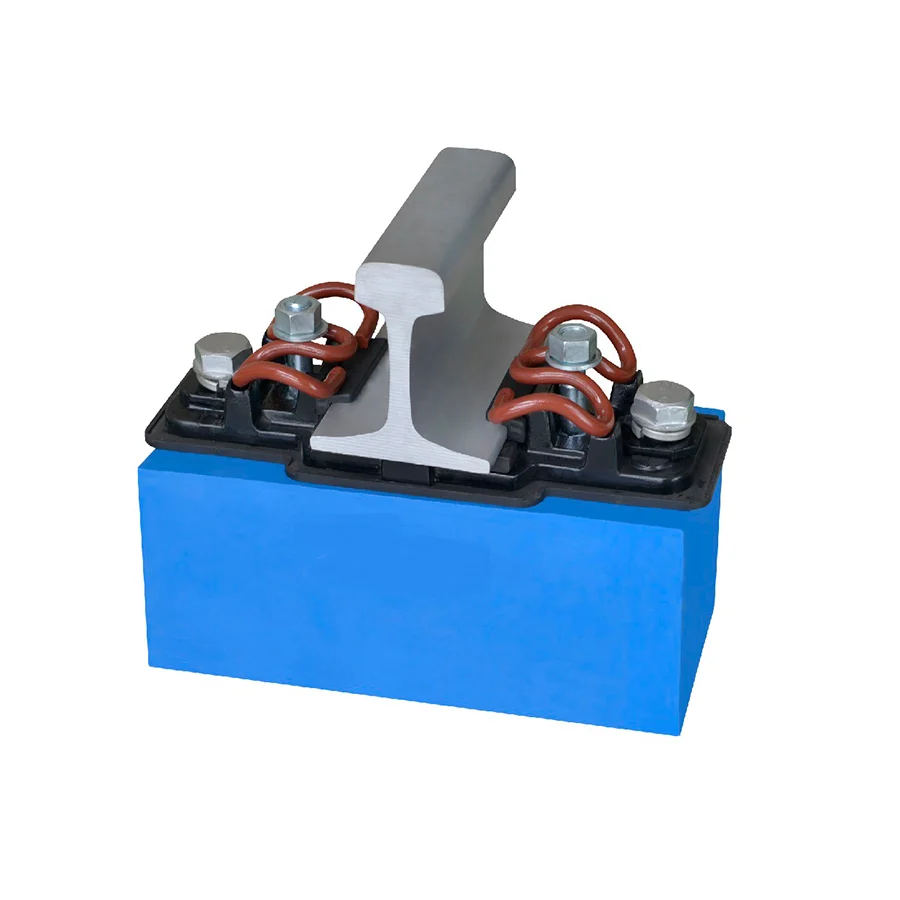
What Are Coil Spring Fasteners
Coil spring fasteners are elastic rail fastening components that use preloaded helical steel springs to clamp the rail foot securely to the sleeper or baseplate. Unlike rigid fasteners, they provide controlled elasticity, allowing limited rail movement while maintaining consistent clamping force.
From a mechanical standpoint, their function can be summarized as:
Maintaining vertical and lateral rail restraint
Absorbing vibration and impact loads
Compensating for thermal expansion and track settlement
Preserving gauge accuracy under repeated load cycles
This balance between rigidity and elasticity is the defining feature that sets coil spring fasteners apart.
Key Engineering Advantages of Coil Spring Fasteners
1. Elastic Load Distribution
Railway tracks experience millions of load cycles annually. Coil spring fasteners distribute these loads more evenly by converting impact forces into elastic deformation. This significantly reduces:
Rail seat fatigue
Sleeper cracking
Stress concentration at fastening points
As a result, overall track lifespan is extended.
2. Superior Vibration and Noise Control
In high-speed rail, urban transit, and freight corridors, vibration mitigation is a major concern. The spring mechanism inherent in coil spring fasteners dampens high-frequency vibrations, contributing to:
Reduced rolling noise
Improved ride comfort
Lower environmental impact in urban zones
This makes them especially suitable for passenger rail and metro systems.
3. Long-Term Clamping Force Stability
Unlike bolted rigid fasteners that may loosen over time, coil spring fasteners maintain stable toe load even under thermal cycling and rail creep. This ensures consistent rail restraint without frequent retightening.
Material Science Behind Performance
High-quality coil spring fasteners are typically manufactured from high-carbon or alloy spring steel, heat-treated to achieve:
High yield strength
Excellent fatigue resistance
Corrosion tolerance under harsh outdoor conditions
Surface treatments such as phosphating, galvanizing, or specialized coatings further enhance durability, especially in coastal, high-humidity, or heavy-haul environments.
Manufacturers like HuiBo Railway apply stringent material control and fatigue testing standards to ensure fasteners meet long-term operational demands.
Applications Across Rail Systems
Heavy-Haul and Freight Rail
In heavy-haul railways, axle loads can exceed 30 tons. Coil spring fasteners accommodate micro-movements without structural degradation, making them ideal for mineral transport and long-distance freight corridors.
High-Speed Rail
High-speed lines demand precise track geometry. The elastic behavior of coil spring fasteners helps maintain alignment accuracy while reducing maintenance frequency.
Urban Rail and Metro Systems
In tunnels and densely populated areas, vibration and noise control are paramount. Coil spring fasteners offer a reliable solution for minimizing structure-borne noise.
Installation and Maintenance Efficiency
From a lifecycle cost perspective, coil spring fasteners offer measurable advantages:
Simple installation with standardized tooling
Reduced inspection frequency
Lower replacement rates compared to rigid systems
Their resilience to loosening translates directly into lower track possession time and reduced labor costs, a critical factor for busy rail networks.
HuiBo Railway: Engineering Reliability into Fastening Solutions
As a specialized supplier of railway fastening systems, HuiBo Railway focuses on delivering coil spring fasteners engineered for real-world operating conditions. By aligning design, material selection, and quality control with international railway standards, HuiBo Railway supports infrastructure operators seeking reliability over the full service life of their tracks.
Rather than offering one-size-fits-all solutions, HuiBo Railway emphasizes application-specific fastening designs tailored to load class, rail type, and environmental conditions.
Conclusion
Coil spring fasteners are not merely mechanical components—they are performance enablers within modern rail infrastructure. By combining elasticity, durability, and maintenance efficiency, they address the complex demands of today’s railway systems. With experienced manufacturers such as HuiBo Railway advancing fastening technology, the industry is better equipped to meet future challenges in safety, sustainability, and operational efficiency.