
A comfortable house should not drain your wallet or your patience. Start with a clear plan that balances practicality and comfort, then build from easy, high-impact steps. Many households chase seasonal energy savings yet overlook how small changes add up to reduce utility bills. Meaningful results often arrive fast with the right sequence of tasks. We’ll walk through quality checks and the trade-offs that inform real decisions at home. You’ll also see how to lower electric bill without sacrificing comfort. Our approach favors balanced home comfort so every step creates momentum. From airflow to sizing and moisture control, we connect the dots across HVAC, heating, and ac. By the end, you’ll have a practical path that fits your space.
Map priorities clearly for project and timing
Start with intent, budget, and zones. Use a simple home energy audit checklist to capture where energy flows and why it’s uneven. Plan the first week with home energy efficiency and leave room for surprises. Include weatherization basics in a short prep list, and schedule a whole home energy audit when time allows. For a smaller start, ask an advisor to walk you through blower door test explained and a home air leakage test so you can prioritize air sealing tips. People often find energy vampires in the home hiding in chargers and displays. Tie each action to energy saving tips for homeowners and seasonal energy savings goals.

Establish a comfort target before shifting any controls. Note home comfort vs energy use for each room. Mark summer energy savings at home tasks in one column, and list winter energy savings at home steps alongside them. If bills are a mystery, learn how to read an electric bill and how to read a gas bill, then compare time of use rates explained with peak vs off peak electricity in your area. Watch for phantom power usage and plug strips to tame energy vampires in the home. Close the loop by penciling in a quick home upgrade roi review and efficiency upgrade payback check.
Solve airflow bottlenecks with testing and balanced fixes
Air feels uneven? Start with hvac diagnostics and hvac performance testing to find reduced airflow causes before swapping parts. Use a simple note to reference Home energy Efficiency during site walkthroughs. Check static pressure in hvac using manufacturer taps and log airflow testing values by room. If you notice weak airflow from vents or hot and cold spots in house, confirm ductwork airflow issues and return air problems with photos and readings. Compare supply vs return airflow at the grille level and look for duct leakage signs that reveal duct leakage energy loss. Simple air balancing service can combine damper balancing in ducts with duct sealing benefits to stabilize rooms.
Check for attic ductwork problems first in older attics. Verify duct insulation r value against climate needs, and consult a duct sizing guide before any modifications. If the house shows homes without usable ductwork in key areas, weigh mini split vs central air and ductless mini split benefits. Follow manual d duct design and record damper positions. Keep notes on duct leakage signs you fix, plus static pressure in hvac improvements and airflow testing snapshots. Finish the pass with a short hvac troubleshooting checklist tailored to your floor plan.
Right-size capacity for performance and lower costs
The best savings often come from correct sizing. Run manual j load calculation before you even peek at models. Keep a reminder beside home energy efficiency so spec sheets stay honest. Match results with manual s equipment selection and avoid oversized ac problems that cause ac not cooling evenly and short cycles. Stay alert for undersized ac symptoms like long run times and furnace not heating evenly. When you choose, aim for system sizing and comfort that the family can feel.
Ask for clear explanations of seer vs seer2 explained, eer rating explained, and hspf vs hspf2 explained. Right size air conditioner and right size heat pump matter more than chasing the flashiest brochure. Count on variable speed hvac benefits for rooms with mixed exposures. Fold in smart thermostat savings with smart thermostat settings and thermostat schedule tips to lower utility bill without drafts. Use remote temperature sensors for bedrooms that run hot or cold. Wrap sizing by using compare hvac quotes alongside a tidy quote comparison checklist.
Improve moisture control and fresh air for health
Start with indoor air quality basics and iaq improvement tips to build a healthy baseline. Create a short reminder that references home energy efficiency to keep the process on track. Pick the best hvac filter for allergies and track merv 8 vs merv 11 vs merv 13 results. Watch for high merv filter airflow impact while you monitor dust in house causes and smoke and dust control. Review fresh air ventilation options and weigh erv vs hrv explained with your climate in mind. Keep indoor humidity target range steady with humidity control in home to avoid mold and moisture guide escalations.
Hunt down musty smell in house clues early. Check condensation on vents and condensation on ductwork during different weather, and scan for attic moisture problems from roof leaks. Maintain attic ventilation balance and compare ridge vent vs soffit vent to ensure airflow actually moves. For crawlspaces, apply crawlspace encapsulation basics, a crawlspace vapor barrier, and careful crawlspace dehumidifier sizing. Add basement humidity control if the slab sweats or walls feel damp. Save notes so later hvac diagnostics tie back to moisture logs.
Tackle insulation and budgeting for lasting returns
Start with an insulation r value guide and flag thermal bridging explained where framing interrupts coverage. Keep a running note that cites Home Energy Efficiency so bids stay consistent. Schedule an attic insulation upgrade, weighing spray foam vs blown in insulation for each area. In sunny regions, review radiant barrier pros and cons and window efficiency upgrades for roofs and glass. Add weatherstripping doors and windows and verify fit with a quick smoke test at the trim. Pair upgrades with water heater energy use tracking and water heater efficiency tips to lower gas bill as well as electric costs.
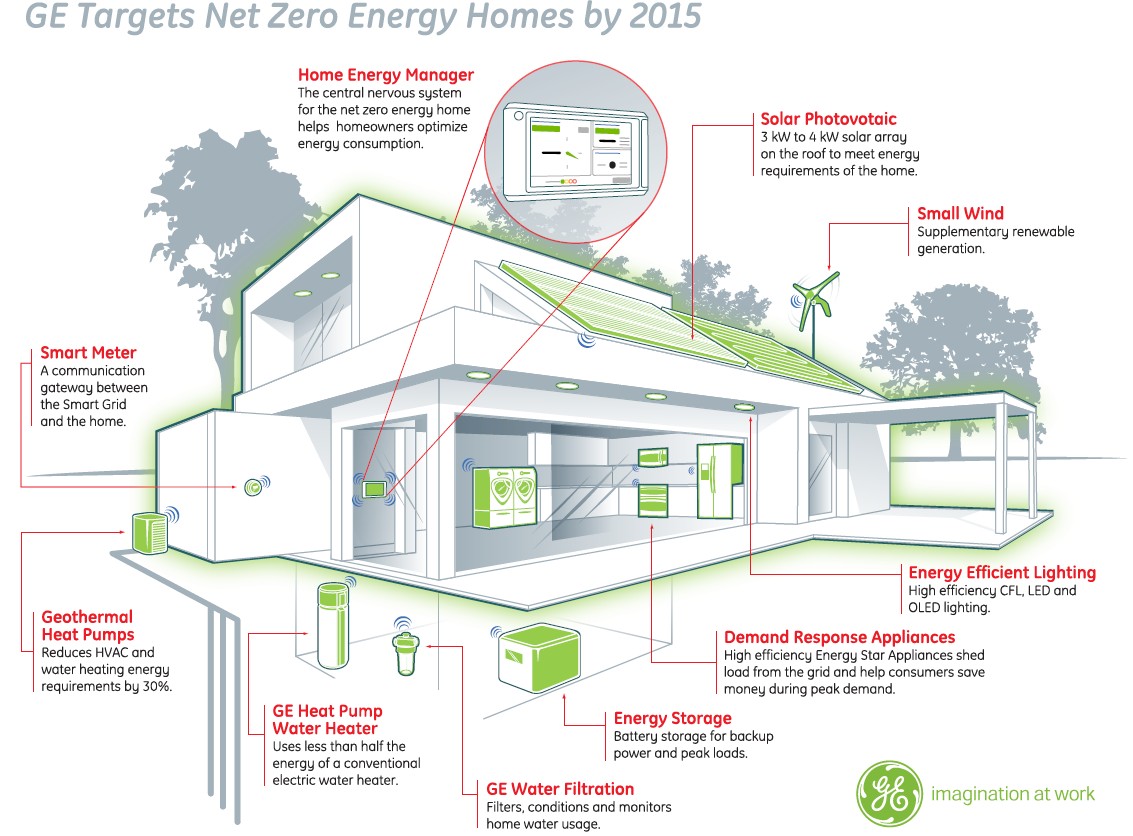
Maintain the tank yearly with water heater maintenance. Flush water heater sediment and replace anode rod if corrosion appears, watching for water heater leak signs after service. When decisions loom, weigh water heater repair vs replace and research water heater replacement cost before committing. Extend water heater lifespan with timely anode checks. Consider tankless water heater pros and cons and tankless water heater sizing before any switch. Follow a tankless water heater installation guide with tankless water heater venting, tankless water heater descaling, and whether a tankless water heater outdoors fits your climate. For big electric savings, look at heat pump water heater savings and hpwh installation considerations that match your layout.
Set routines with a homeowner maintenance checklist. Keep a monthly home maintenance checklist and a seasonal home maintenance checklist taped inside the utility closet. New owners can rely on a new homeowner handbook to learn home systems basics and home systems performance without trial and error. Track homeownership cost breakdown to guide home repair budgeting and maintenance budgeting for homeowners. When gear ages, make repair vs replace decisions with a contractor neutral home guide so choices stay objective. Finish with hvac maintenance checklist items like hvac tune up checklist, ac maintenance checklist, and furnace maintenance checklist to protect ac efficiency tips, hvac efficiency, and heating system efficiency.
If you use heat pumps, learn heat pump vs furnace and heat pump performance tips early. Practice heat pump in cold weather strategies and heat pump defrost cycle explained to avoid surprises. Watch aux heat usage and explore a dual fuel heat pump system when rates fluctuate. In larger homes, design multi zone mini split design with mini split sizing that fits exposures. Schedule concealed mini split maintenance for tidy coils and drains. Fix mini split noise causes and mini split drain line issues quickly. Wrap by verifying right size air conditioner results and confirming system sizing and comfort readings.
In short, a clear plan leads to steady comfort and dependable savings. Plan the phases, balance air, choose the right capacity, improve ventilation, and close envelope gaps. These steps help reduce utility bills while keeping rooms quiet and even. With a measured approach, upgrades stay practical, bills flatten, and comfort holds steady through every season.