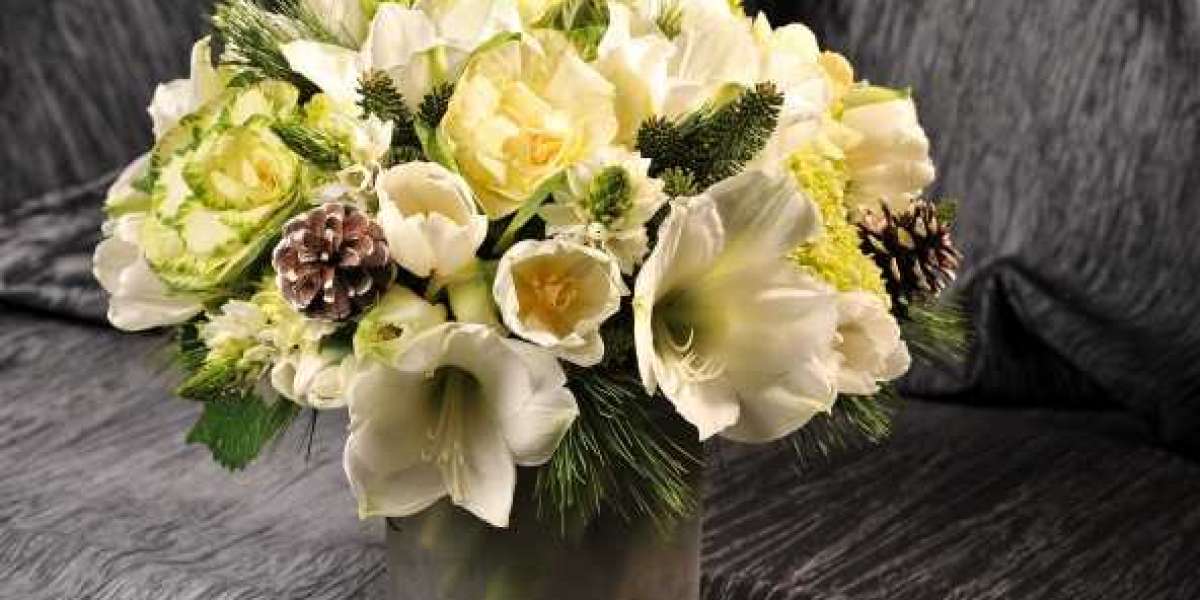

In moments of grief, people often struggle to express what they truly feel. Simple gestures become powerful bridges between hearts, and flowers have long carried messages of compassion when conversations feel too heavy. Many people exploring thoughtful condolence arrangements begin by browsing options like sympathy flowers nyc, not as a purchase decision alone, but as a way to understand how floral traditions help communicate empathy during loss. This article explores the meaning, etiquette, and emotional significance behind sending condolence arrangements in New York City and beyond.
Understanding the Meaning Behind Condolence Arrangements
Flowers used during times of mourning are not chosen randomly. Each bloom carries symbolic weight shaped by centuries of cultural traditions. White lilies often represent peace and purity, roses communicate love and remembrance, and orchids reflect enduring affection.
What makes floral gestures so meaningful is their quiet presence. Unlike spoken words, they do not pressure the grieving person to respond. Instead, they sit gently within a room, offering comfort without expectation. This is especially important in a fast paced urban environment where people may feel unsure how to show support respectfully.
Choosing a thoughtful arrangement is less about aesthetic perfection and more about emotional intention. When someone receives flowers during a difficult time, they are reminded that their loss has been acknowledged by others who care.
Why Floral Tributes Remain Important in Modern Cities
New York City represents diversity, speed, and constant motion. Yet even in such a dynamic environment, traditions surrounding remembrance remain deeply valued. Flowers continue to serve as universal symbols that cross cultural boundaries.
One reason they remain relevant is their ability to communicate across languages and belief systems. In a city filled with people from different backgrounds, sending a floral tribute becomes a respectful and inclusive gesture. It avoids assumptions while still expressing genuine compassion.
Another factor is accessibility. Many individuals cannot attend memorial services in person due to distance or work obligations. Sending an arrangement allows them to participate in honoring a life even when physical presence is impossible.
The Psychology Behind Sending Flowers During Loss
Grief experts often discuss how symbolic gestures help both the sender and the receiver process emotions. For the sender, selecting a thoughtful arrangement can be an active way to cope with feelings of helplessness. Instead of struggling to find the right words, they engage in a meaningful act that represents care.
For the recipient, flowers create a comforting environment. Studies in environmental psychology suggest that natural elements can reduce stress and provide a sense of calm. Soft textures, gentle colors, and natural fragrances can subtly influence emotional well being during difficult moments.
This psychological impact explains why condolence arrangements remain a timeless practice rather than a fading tradition.
Cultural Traditions That Influence Floral Choices
New York City reflects a mosaic of global customs, and each community brings unique interpretations to mourning rituals. Understanding these traditions helps ensure that gestures feel respectful and appropriate.
In many Western traditions, white blooms symbolize peace and remembrance. Some Asian cultures prefer specific flower types that represent purity or spiritual continuity. Jewish customs often emphasize simplicity, favoring understated arrangements that reflect humility. Meanwhile, certain European traditions may include mixed bouquets that celebrate the life of the person being remembered rather than focusing solely on loss.
Being mindful of these cultural nuances demonstrates thoughtfulness and respect. Even when unsure of specific customs, choosing neutral and elegant designs is generally appreciated.
How to Choose Flowers That Feel Personal
Selecting the right arrangement does not require expertise in floral design. Instead, it begins with reflecting on the individual being honored and the relationship shared with them.
Consider whether the person loved nature, favored certain colors, or appreciated minimalist aesthetics. A simple arrangement of greenery can feel just as meaningful as a full bouquet when it reflects genuine intention.
Personal touches can also include handwritten notes. Rather than writing long messages, a short sincere sentence often feels more authentic. Phrases such as thinking of you during this time or sending peace and comfort convey empathy without overwhelming the recipient.
Timing and Etiquette for Sending Floral Tributes
Many people wonder when it is appropriate to send flowers after someone passes away. There is no strict timeline, but understanding general etiquette helps avoid uncertainty.
Arrangements can be sent before a memorial service to honor the occasion, during the days following the loss as a gesture of support, or even weeks later when initial condolences begin to fade. In fact, sending flowers later can be especially meaningful because it reminds the grieving person that they are still being remembered after the immediate wave of sympathy has passed.
It is also considerate to check whether the family has requested donations instead of flowers. Respecting these wishes shows sensitivity to their preferences while still allowing you to express support in other ways.
The Role of Design and Color in Emotional Expression
Floral design is not only about visual beauty. Color palettes influence emotional tone in subtle ways. Soft whites and creams create a sense of peace, pale pinks suggest compassion, and gentle greens symbolize renewal.
Minimalist arrangements are often preferred in modern urban settings because they feel elegant without appearing overwhelming. These designs align with contemporary aesthetics while still honoring traditional symbolism.
Florists often consider balance, texture, and movement when crafting arrangements. Even small details such as the placement of leaves or the curve of a stem can change how the arrangement feels emotionally. This attention to detail transforms flowers into a quiet form of storytelling.
How Floral Gestures Support the Healing Process
Grief does not follow a predictable path. Some people find comfort in conversation, while others appreciate silent gestures that acknowledge their loss. Flowers serve as a gentle presence that evolves over time. As blooms open and fade, they reflect the natural cycle of life, subtly reminding people that healing is a gradual process.
Receiving flowers can also encourage moments of reflection. Placing an arrangement in a home or memorial space creates an opportunity for remembrance without requiring constant interaction. This quiet companionship can be deeply meaningful during periods of emotional vulnerability.
For senders, the act of choosing and sending flowers may offer a sense of closure. It becomes a way to honor shared memories while accepting that words alone may not capture the depth of emotion.
Modern Trends in Condolence Arrangements
While traditional bouquets remain popular, modern preferences are shifting toward more personalized and sustainable options. Many people now look for arrangements that incorporate seasonal blooms, locally sourced greenery, or eco conscious packaging.
Another trend involves blending classic symbolism with contemporary design. Neutral color palettes, asymmetrical shapes, and natural textures reflect modern tastes while maintaining the emotional sincerity of traditional floral tributes.
Urban lifestyles have also influenced how arrangements are presented. Compact designs that fit easily into apartments or small living spaces are increasingly common, ensuring that gestures feel thoughtful without overwhelming the environment.
Writing a Meaningful Message to Accompany Flowers
One of the most challenging aspects of sending condolence arrangements is deciding what to write. People often worry about saying the wrong thing, yet authenticity matters more than perfection.
A thoughtful message does not need to be lengthy. Simple statements that acknowledge the loss and express support are often the most comforting. Avoid clichés or overly formal language. Instead, focus on sincerity and warmth.
If you shared a special memory with the person who passed away, mentioning it briefly can add a personal touch. This reminds the recipient that their loved one’s impact extended beyond immediate family and continues to be remembered by others.
The Lasting Symbolism of Flowers in Times of Loss
Throughout history, flowers have been present at moments of both celebration and sorrow. Their presence during mourning reflects a universal understanding that beauty and fragility coexist. Even as petals fade, the emotional gesture behind them remains meaningful.
In a city that never slows down, floral tributes create a pause. They invite people to reflect, remember, and honor connections that transcend daily routines. Whether displayed at a memorial service or quietly placed in a home, flowers act as silent witnesses to shared humanity.
Supporting Someone Beyond the Initial Gesture
Sending flowers is only one part of supporting someone who is grieving. Small acts such as checking in later, offering practical help, or simply listening without judgment can have a lasting impact. The initial floral gesture often opens the door to ongoing connection and care.
It is also important to recognize that everyone experiences loss differently. Some people may respond with gratitude, while others may remain quiet. Respecting these reactions allows your gesture to remain genuine rather than transactional.
Ultimately, the purpose of condolence arrangements is not to solve grief but to acknowledge it. They remind people that they are not alone, even when words feel inadequate.
Frequently Asked Questions
What types of flowers are commonly chosen for condolence arrangements
White lilies, roses, orchids, and chrysanthemums are often selected because they symbolize peace, remembrance, and enduring love. Neutral tones are generally considered respectful across many cultures.
Is it appropriate to send flowers after the funeral has already happened
Yes. Sending an arrangement weeks later can be especially meaningful because it shows continued support when others may have moved on from offering condolences.
How long should a condolence message be
Short and sincere messages are usually best. A few heartfelt sentences can feel more genuine than a long formal note.
Are there alternatives to traditional bouquets
Some people choose plants or minimalist arrangements that last longer. These options can serve as lasting reminders of care while fitting into modern living spaces.
What should I avoid when sending flowers during mourning
Avoid overly bright or celebratory designs unless you know they reflect the personality or wishes of the person being honored. Simplicity and respect are usually the safest choices.
This guide highlights how thoughtful floral gestures continue to provide comfort, connection, and quiet support in moments when words feel insufficient. By understanding symbolism, etiquette, and emotional impact, anyone can choose a meaningful tribute that honors both the memory of a loved one and the feelings of those left behind.