
Erectile dysfunction (ED) is a condition that affects millions of men worldwide, significantly impacting their quality of life and intimate relationships. As awareness of this issue grows, so does the demand for effective treatments. If you loved this information and you would want to receive details concerning erectile dysfunction treatment for seniors i implore you to visit our page. Among the various options available, oral medications have emerged as the most popular and widely used solution. This article delves into the different types of pills for erectile dysfunction, their mechanisms of action, potential side effects, and the broader implications of their use.
Erectile dysfunction is characterized by the inability to achieve or maintain an erection sufficient for satisfactory sexual performance. While it can occur at any age, it is more prevalent among older men. According to the Massachusetts Male Aging Study, approximately 52% of men aged 40 to 70 experience some degree of erectile dysfunction. Factors contributing to this condition include physical issues such as diabetes, heart disease, and hormonal imbalances, as well as psychological factors like anxiety, depression, and stress.
The introduction of oral medications in the late 1990s revolutionized the treatment landscape for ED. The first of these was sildenafil, marketed under the brand name Viagra. Since then, several other medications have been developed, including tadalafil (Cialis), vardenafil (Levitra), and avanafil (Stendra). These medications belong to a class of drugs known as phosphodiesterase type 5 (PDE5) inhibitors, which work by enhancing blood flow to the penis, thereby facilitating an erection in response to sexual stimulation.
Sildenafil, the pioneer in this category, was initially developed to treat hypertension and angina. However, during clinical trials, researchers discovered its unexpected effect on erectile function. Viagra quickly gained popularity, leading to a surge in demand for similar medications. Tadalafil, which can last up to 36 hours, offers a more flexible option for men who prefer spontaneity in their sexual encounters. Vardenafil and avanafil provide alternatives with different onset times and durations of action, catering to various patient preferences.
Despite their effectiveness, these medications are not without potential side effects. Common side effects include headaches, flushing, nasal congestion, and indigestion. More serious but rare side effects can include sudden vision loss or hearing impairment. It is crucial for individuals considering these medications to consult with a healthcare provider to ensure they are appropriate for their specific health conditions and to discuss any potential drug interactions.
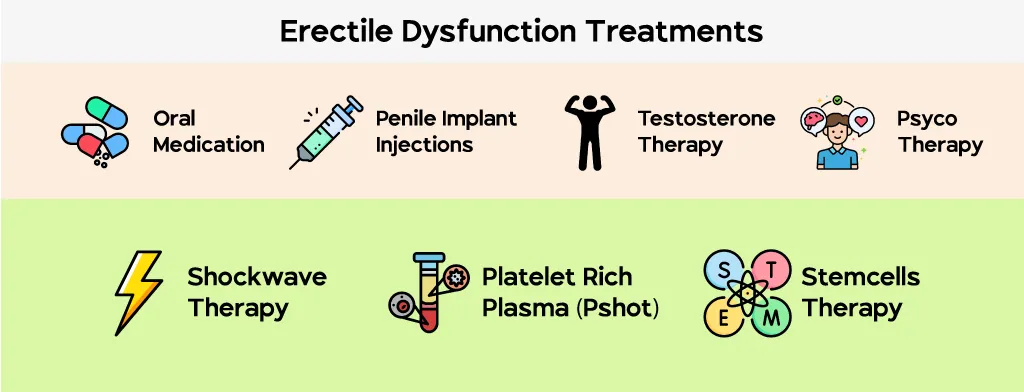
In addition to oral medications, lifestyle changes and alternative therapies can also play a significant role in managing erectile dysfunction. Regular exercise, a healthy diet, and weight management can improve overall health and potentially alleviate symptoms of ED. Psychological counseling may be beneficial for those whose erectile dysfunction is rooted in anxiety or depression. Furthermore, vacuum erection devices, penile injections, and penile implants are additional treatment options for men who may not respond to oral medications.
The stigma surrounding erectile dysfunction can be a significant barrier to seeking treatment. Many men feel embarrassed or ashamed to discuss their condition, often suffering in silence. However, healthcare professionals emphasize the importance of addressing ED openly, as it can be a symptom of underlying health issues, such as cardiovascular disease or diabetes. Early intervention and treatment can lead to improved sexual health and overall well-being.
The rise of telemedicine has also transformed the way men access treatment for erectile dysfunction. With the advent of online consultations and prescription services, men can now seek help from the comfort of their homes. This increased accessibility has made it easier for individuals to discuss sensitive issues without the fear of judgment. However, it is essential to ensure that these services are reputable and that prescriptions are issued by licensed healthcare professionals.
As the market for erectile dysfunction medications continues to expand, so does the prevalence of counterfeit products. Men seeking treatment should exercise caution and only obtain medications from licensed pharmacies. The World Health Organization (WHO) has warned against the dangers of purchasing medications from unregulated sources, as counterfeit pills can contain harmful substances and may not provide the intended therapeutic effects.
In recent years, there has been growing interest in the development of new treatments for erectile dysfunction. Research is ongoing into alternative medications, such as those targeting the melanocortin system or using gene therapy. Additionally, regenerative medicine approaches, including stem cell therapy and platelet-rich plasma (PRP) injections, are being explored as potential options for men with ED.
Public awareness campaigns aimed at destigmatizing erectile dysfunction and promoting open discussions about sexual health are also gaining traction. Organizations such as the American Urological Association and the Sexual Medicine Society of North America are working to educate both healthcare providers and patients about the importance of addressing erectile dysfunction as a common and treatable condition.
In conclusion, pills for erectile dysfunction have provided millions of men with a reliable solution to what can be a distressing and isolating condition. While oral medications like Viagra, Cialis, Levitra, and Stendra remain the most popular treatment options, it is essential for individuals to consider a holistic approach that includes lifestyle changes, psychological support, and open communication with healthcare providers. As research continues to advance and new therapies emerge, the future looks promising for those seeking to reclaim their sexual health and enhance their quality of life. By breaking the silence surrounding erectile dysfunction treatment dysfunction, society can foster a more supportive environment for men to seek the help they need.