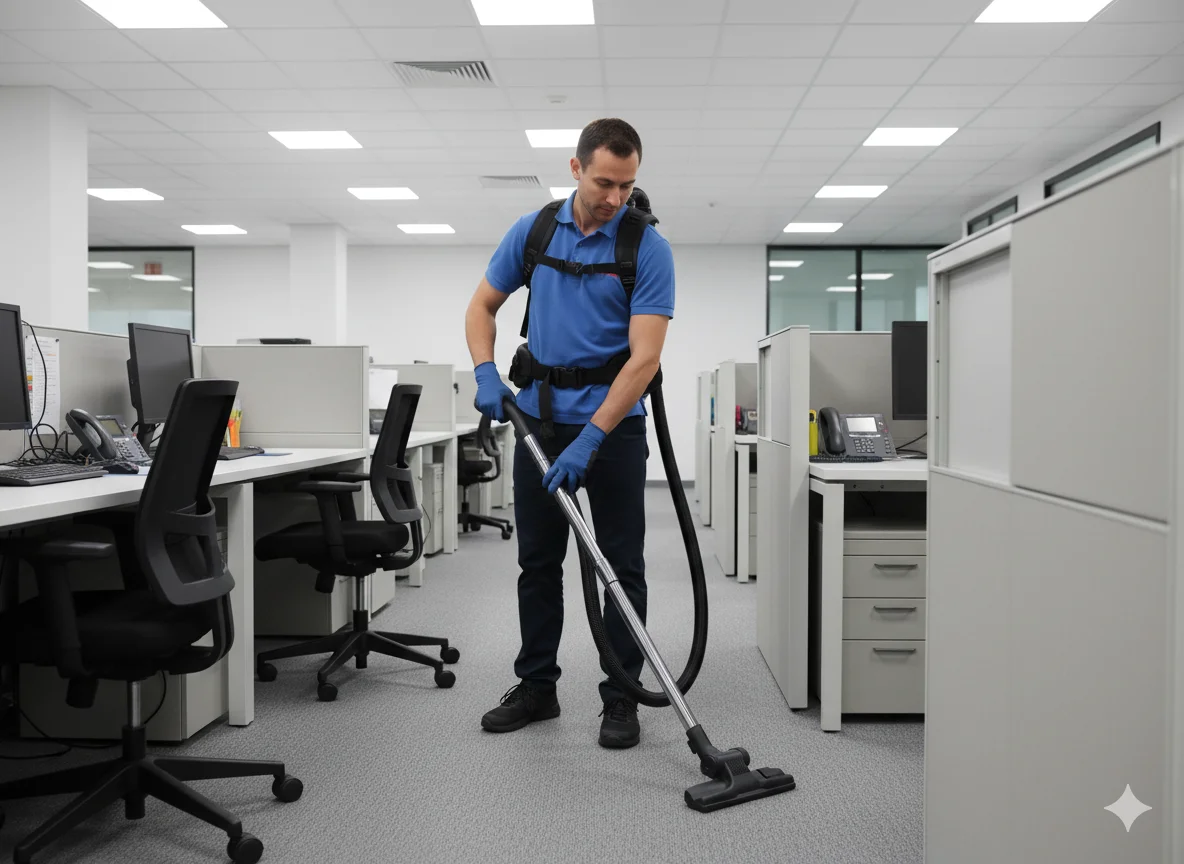

Vacuum cleaners have evolved from simple household appliances into highly engineered systems critical for residential hygiene, industrial sanitation, and commercial facility management. As suction performance, energy consumption, and filtration standards continue to advance, the quality and engineering of vacuum cleaner parts increasingly determine the overall efficiency and durability of the machine.
For manufacturers seeking long-term reliability or facility managers aiming to reduce downtime, understanding the interaction between individual components is essential. With more than a decade of expertise in vacuum cleaning technology, Sirocco has become a trusted provider of high-performance vacuum cleaner parts engineered for demanding environments.
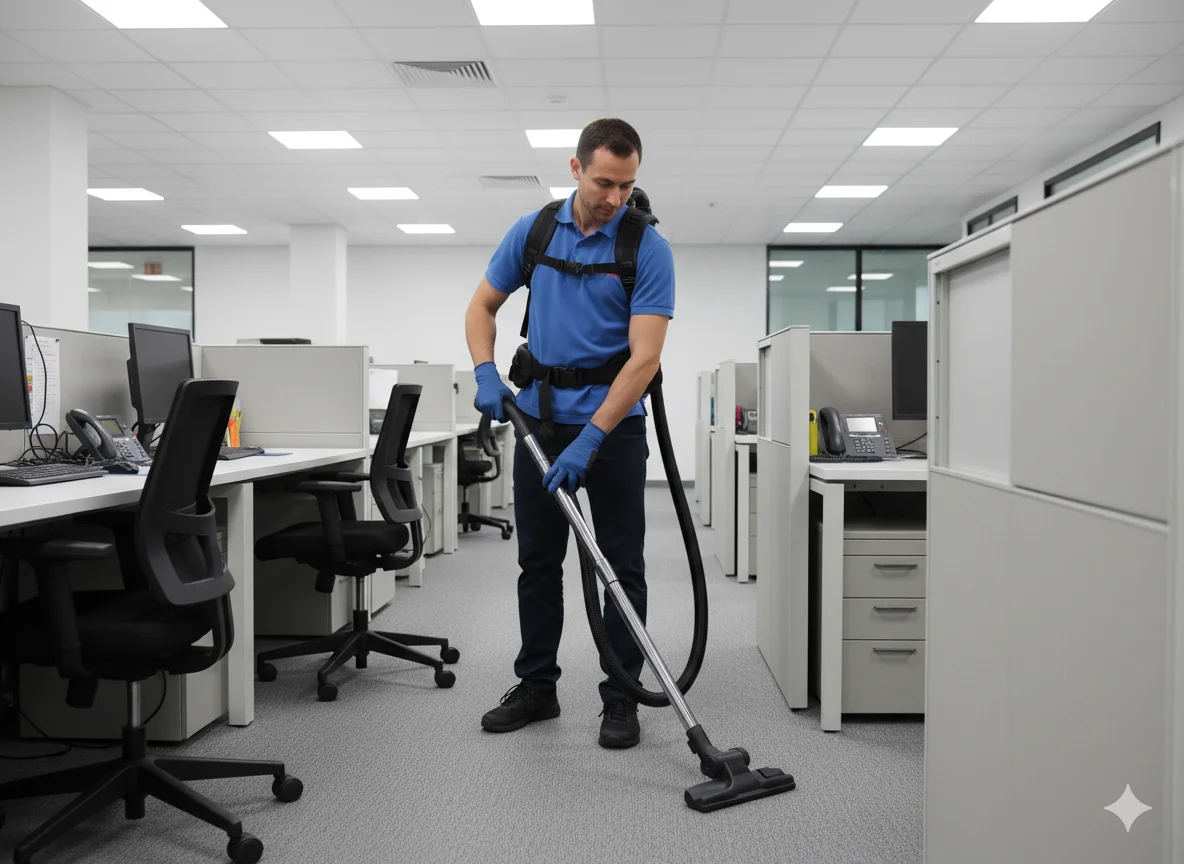
I. Why Vacuum Cleaner Parts Determine 80% of Overall Performance
While motors often receive the most attention, real-world suction efficiency and longevity depend on a network of interdependent parts. System behavior is determined by:
Aerodynamics inside the airflow pathway
Filtration resistance
Motor thermal load
Seal integrity and leakage control
Brush-to-floor interaction
Dust separation efficiency
A vacuum cleaner is therefore a mechanical ecosystem, and weaknesses in any single component can produce measurable performance losses. Sirocco’s engineering approach centers on optimizing each part for compatibility and system-level balance, ensuring stable airflow, reduced energy waste, and consistent suction under load.
II. Core Vacuum Cleaner Parts and Their Engineering Roles
1. High-Efficiency Motors: The Heart of Suction Power
Modern motors must deliver high RPM output while controlling heat and vibration. Sirocco integrates:
Copper-core windings for enhanced conductivity
Precision-balanced impellers to reduce oscillation
Thermal overload protection systems
Low-friction bearings for longer service life
Combined, these characteristics produce sustained negative pressure, enabling effective dust extraction even on high-resistance surfaces.
2. Filtration Systems: Where Air Quality Is Engineered
Filtration is no longer just about dust collection. Regulatory standards now require reduced emissions, allergen retention, and HEPA-level purification. Key filtration components include:
Primary dust filters
High-density HEPA filters (H10–H14 ratings)
Cyclonic separation chambers
Motor pre-filters to prevent heat buildup
Sirocco designs each filter with precise pore distribution, low-pressure drop, and enhanced dust-loading capacity, ensuring stable airflow and extending maintenance intervals.
3. Brush Heads and Floor Tools: Mechanical Contact Optimized for Surface Types
Tools and brush heads significantly influence cleaning effectiveness. Sirocco’s attachments are engineered for:
Optimized bristle density for carpets and hard floors
Adjustable airflow channels that reduce drag
Tangle-free brush rollers for pet environments
Soft-edge perimeter sealing to maximize suction at the nozzle
Different surfaces require different mechanical interfaces, and Sirocco’s modular approach enables compatibility across commercial and household cleaning scenarios.
4. Hoses, Tubes, and Seals: Managing Airflow with Minimal Loss
Air leakage is one of the most common performance killers. Poorly designed hoses or worn gaskets can reduce suction by more than 30%.
Sirocco parts incorporate:
Multi-layer compression-resistant hose structures
Anti-static conduction layers for dusty industrial environments
High-elasticity seals and O-rings
Lightweight aluminum or ABS extension tubes
These components ensure that the vacuum’s internal negative pressure is maintained throughout the system.
5. Dust Containers and Bags: Engineering for Capacity and Flow
Dust capacity must be balanced with airflow resistance. Sirocco designs:
Large-capacity dust bins with cyclonic geometry
Reinforced multi-layer dust bags for commercial vacuums
Anti-clog outlet grids
Optimized separation channels to reduce filter strain
This allows consistent performance even as the dust container fills.
III. Material Science: The Hidden Driver of Part Durability
High-quality vacuum cleaner parts are not defined solely by design—they depend heavily on materials engineering. Sirocco utilizes:
ABS for structural housings due to impact resistance
Polycarbonate for transparent dust bins
Nylon and PET for brush bristles
Silicone and EPDM for long-lasting gaskets
Aluminum alloy tubes for high rigidity and low weight
Material selection affects everything from suction stability to noise reduction and service life.
IV. Sirocco: A Trusted Partner for High-Quality Vacuum Cleaner Parts
With a strong technical foundation and commitment to product reliability, Sirocco supplies vacuum cleaner parts built for performance, compatibility, and long-term value.
The company’s engineering philosophy emphasizes:
Precision manufacturing
Rigorous quality control
System-level performance validation
Responsive after-sales support
Global compatibility standards
Whether supporting OEM manufacturing, commercial cleaning equipment, or aftermarket service networks, Sirocco’s components enhance machine efficiency and customer satisfaction.
https://www.siroccovac.com/the-anatomy-of-clean-how-precision-parts-shape-vacuum-performance.html