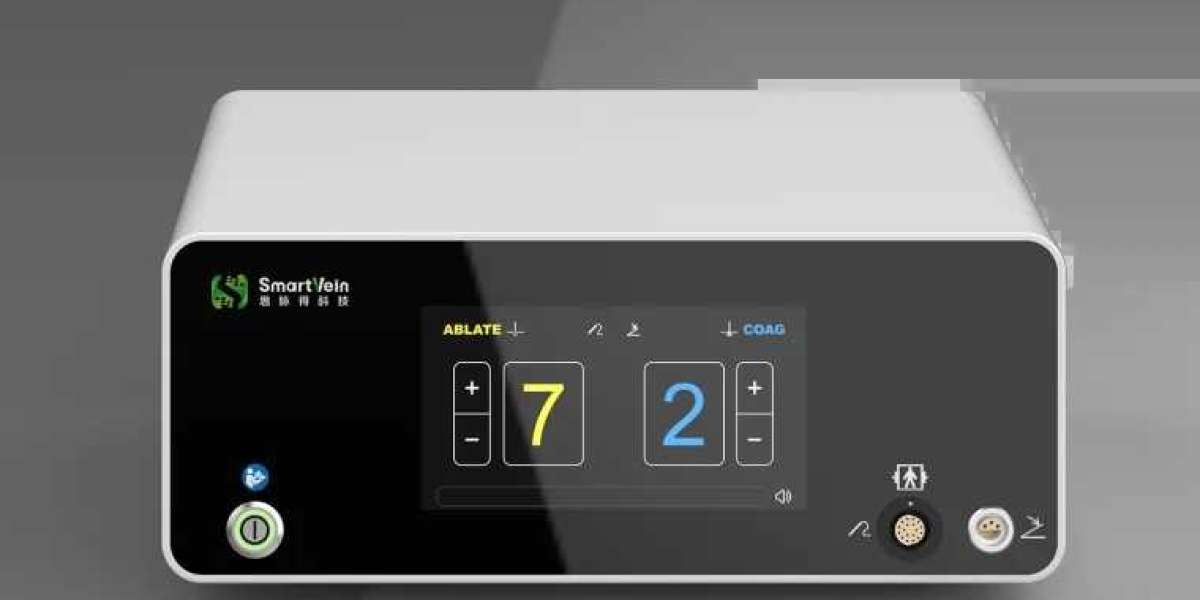

With the rapid development of modern medical technology, gynecological examination methods have also been constantly innovated. Gynecological examination lens, as an advanced medical device, with its unique basic principles, structural characteristics, and wide application in gynecological examinations, has become an important tool for modern gynecological examinations. This article will introduce the basic principles, structural characteristics, and application of Gynecological examination lens in gynecological examinations.
I. The Basic Principle of Gynecological Examination Lens
The gynecological examination lens is an optical instrument that enters the uterine cavity through the cervix and can directly observe the pathological conditions within the uterine cavity. Its basic principle is to utilize optical fiber technology and high-resolution imaging technology to transmit the real-time images of the uterine cavity to the display screen, enabling doctors to visually observe the minute pathological changes within the uterine cavity. This technology not only improves the accuracy of diagnosis but also provides a strong basis for treatment.
II. Structural Characteristics of Gynecological Examination Lens
The structural design of the gynecological examination lens takes into account the actual needs of gynecological examinations and has the following notable features:
Fine diameter: The tube diameter of the Gynecological examination lens is designed to be relatively thin. This enables it to pass through the cervix more easily and enter the uterine cavity, reducing damage to the cervix. At the same time, the thin diameter also facilitates more precise operations by the doctor during the examination process.
No dilation of cervix, no anesthesia: Due to its narrow diameter, the Gynecological examination lens does not require dilation of the cervix during the examination, nor does it necessitate general anesthesia or local anesthesia, thereby reducing the patient's pain and discomfort.
High-resolution camera system: The gynecological examination lens is equipped with a high-resolution camera system, which can capture tiny lesions within the uterine cavity, providing doctors with clearer and more accurate image information.
Operation is simple: The design of the Gynecological examination lens adheres to ergonomic principles. The operation handle is ingeniously and comfortably designed, enabling doctors to operate the equipment more easily during the examination, thereby enhancing work efficiency.
III. Application of Gynecological Examination Lens in Gynecological Examinations
The gynecological examination lens has extensive applications in gynecological examinations, including but not limited to the following aspects:
Diagnosis of abnormal uterine bleeding: The gynecological examination lens can quickly identify the causes of uterine bleeding, such as endometrial polyps and uterine fibroids, providing important basis for doctors to formulate treatment plans.
Insufficiency of fertility examination: For patients with infertility, the gynecological examination lens can assist doctors in understanding the internal environment of the uterus and determining whether there are any factors that affect conception, such as uterine adhesions or endometrial lesions.
Treatment of uterine cavity adhesions: The gynecological examination lens can also be used for the treatment of uterine cavity adhesions. By precisely separating the adhered tissues, it helps restore the normal shape and function of the uterus, thereby increasing the patient's chances of conception.
Removal of uterine fibroids: For small uterine fibroids, the Gynecological examination lens can directly perform the removal surgery, avoiding the trauma and pain associated with traditional open abdominal surgery.
Removal of intrauterine foreign bodies: The gynecological examination lens can also be used to remove foreign bodies within the uterus, such as embedded intrauterine devices or residual embryos, thereby reducing surgical risks and the occurrence of complications.
IV. Advantages and Challenges of Gynecological Examination Lenses
Compared to traditional hysteroscopes, gynecological examination lenses have significant advantages, such as reducing the risk of cross-infection, enhancing patient comfort, and facilitating operation. However, gynecological examination lenses also face some challenges, including relatively high costs and issues related to waste disposal. Therefore, when using gynecological examination lenses, medical institutions need to comprehensively consider their advantages and disadvantages and formulate reasonable usage strategies.
The Gynecological examination lens, as a revolutionary tool for modern gynecological examinations, with its unique fundamental principles, structural characteristics, and extensive application in gynecological examinations, provides strong support for the diagnosis and treatment of gynecological diseases. With the continuous advancement of medical technology and the increasing emphasis on medical safety, the Gynecological examination lens is expected to be applied and promoted more widely in the future. At the same time, we also look forward to the emergence of more innovative technologies, bringing more breakthroughs and progress to the field of gynecological examinations.
Gynecological examination lens https://www.smartveingroups.net/Gynecological-examination-lens.html